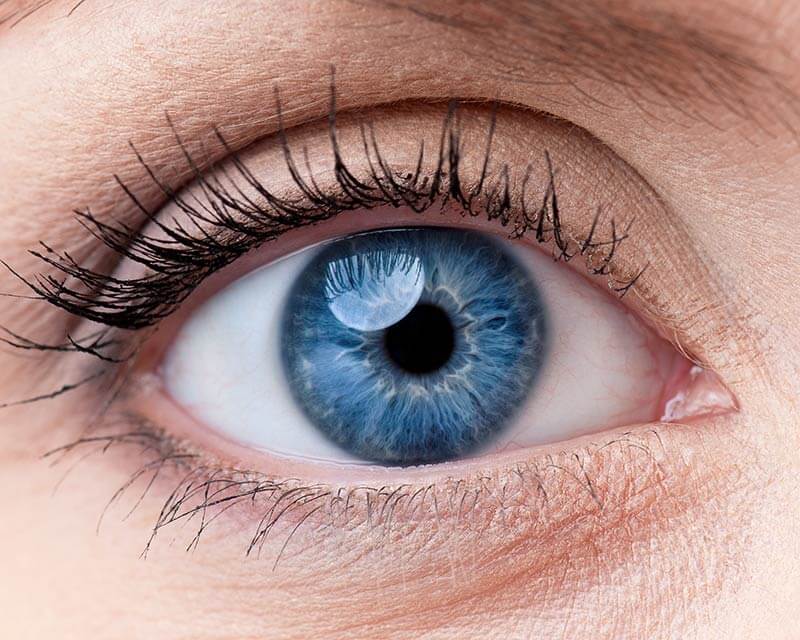
Neuro-Ophthalmology is a sub-specialty of ophthalmology and neurology. A neuro-ophthalmologist completed extra training to specialize in visual problems related to the nervous system. These issues are not caused by the issues within the eye itself and are instead caused by the muscles, nerves and area of the brain responsible for vision.
Neuro-ophthalmologic conditions range from the benign to more worrisome conditions which can lead to complete vision loss or even life threatening in some cases. A neuro-ophthalmologic evaluation is a very comprehensive exam to determine the underlying cause of the vision issue. Below are a few of the conditions treated by a neuro-ophthalmologist.
IIH also known as Pseudotumor Cerebri is a condition in which there is elevated pressure in the fluid surrounding the brain, spinal cord, and optic nerves. This is not a true tumor as pseudotumor in this context means false tumor.
Chronic headaches and brief visual changes such as blurring, dimming, and graying of vision can occur.
Medications are available as a treatment option for IIH with surgical treatment only required in less than 10% of patients. Permanent vision loss can occur if not treated.
Nanos Info-graphic: https://www.nanosweb.org/files/Patient%20Brochures/English/Infographics/2022/Idiopathic_Intracranial_Hypertension_Infographic.pdf
MG is an autoimmune disease in which the body’s immune system attacks receptors on your muscles. This results in muscle weakness. Ocular MG is a specific type of MG that only affects the eyes. This can cause eyelid drop, double vision, or other motor control issues within the eyes.
Ocular MG can convert to a more generalized MG that affects the whole body. When MG affects the whole body which is more serious as it can cause
shortness of breath and difficulty swallowing. MG does not produce pain or numbness, vision loss, or a change in pupil size.
Medications are available for treatment and management of MG, however there is no cure for MG.
Nanos Info-graphic: https://www.nanosweb.org/files/Patient%20Brochures/English/Infographics/2022/Myasthenia_Gravis_Infographic.pdf
Optic neuritis is inflammation of the optic nerve, the nerve that carries the images from your eye to the brain. In optic neuritis the optic nerve is damaged by this inflammation leading to blurry and/or dark vision.
This will typical manifest with eye pain and discomfort when looking in different directions which can go away within a few days. It can also cause decreased color vision, difficulty seeing contrast, flashes of light or sparkles, and episode of blurred vision.
Treatment depends on the underlying cause of the inflammation. An MRI is usually required to confirm the diagnosis of optic neuritis and potentially identify the cause. Blood tests may also be performed to identify if an infection is the cause or a autoimmune disease such as multiple sclerosis.
Nanos Info-graphic: https://www.nanosweb.org/files/Patient%20Brochures/English/Infographics/2022/Optic_Neuritis_Infographic.pdf
NAION is caused by decreased blood flow to part of the optic nerve. This results in swelling and sudden vision loss. NAION usually only affects one eye at a time.
Some risk factors for NAION include: Smoking, Diabetes, High Blood Pressure, Sleep Apnea, Anemia, and Kidney Disease.
There are currently no proven treatments for NAION. It is important to reduce risk factors and avoid medicines that may increase risk of NAION occurring in the other eye.
Nanos Info-graphic: https://www.nanosweb.org/files/Patient%20Brochures/English/Infographics/2022/Non-Arteritic_Anterior_Ischemic_Optic_Neuropathy_Infographic.pdf
Blepharospasm is when uncontrollable muscle twitches or spasms around the eyes cause excessive blinking. This can be severe enough that it inhibits sight. Blepharospasms are usually harmless but can still be disruptive.
Blepharospasms are treatable and the most common treatment is BOTOX®
HFS is when uncontrollable muscle twitches are all on one side of the face. Spasms are usually painless, are not controllable, and happen even while sleeping.
HFS can be caused from irritation in the facial nerve. There are two facial nerves that originate from the brain, one for each side of the face, which is why this usually only affects one side of the face.
HFS is treatable and the most common treatment is BOTOX® if no underlying condition is identified. Surgical options are also available depending on the underlying cause of the HFS.
Port Orange
3641 S. Clyde Morris Blvd, Suite 500
Port Orange, Florida
Ormond Beach
1425 Hand Avenue, Suite N
Ormond Beach, FL